

Reviewed · GRAND MOSQUE TOURS
Muscat: City Tour of Grand Mosque, Old Souqs, Museum, & Fort
Muscat’s story comes into focus on this private half-day tour, which links the serene Sultan Qaboos Grand Mosque with the busy lanes of Muttrah, old Portuguese forts, a royal palace, and an Omani culture museum. You get a useful first look at the capital without spending a full day in a vehicle.
I like the private group format, especially if you are traveling as one or two people and want the timing adjusted to your interests. I also like the mix of grand architecture and ordinary city life: the mosque and forts give you Muscat’s big visual landmarks, while the fish market, corniche, and souq show how the city works day to day.
The main caution is the price: $389 for up to two people is a serious spend for 4.5 hours. The tour also suits able-bodied visitors best, and you must carry a valid passport and follow strict clothing rules at the mosque and selected museum areas.
Key points to know before booking
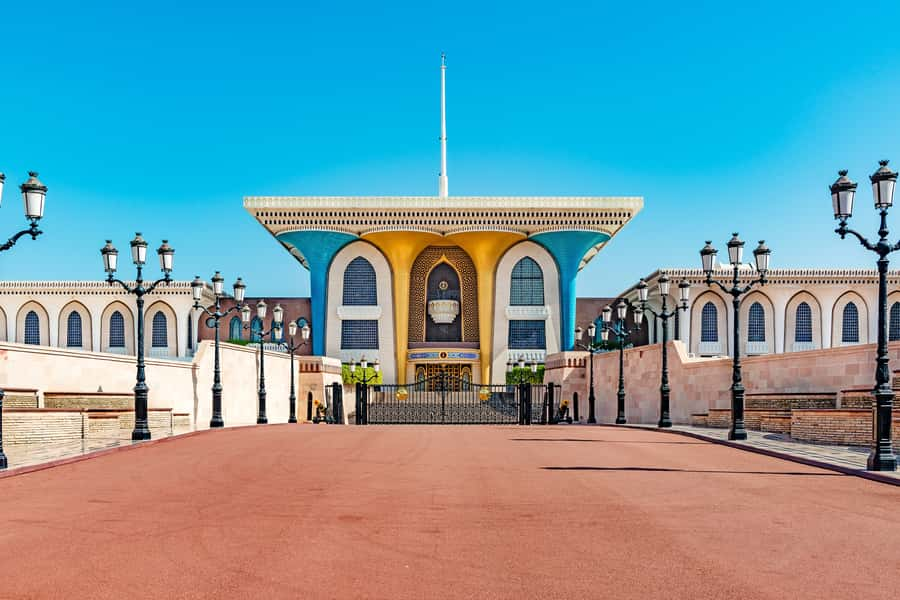
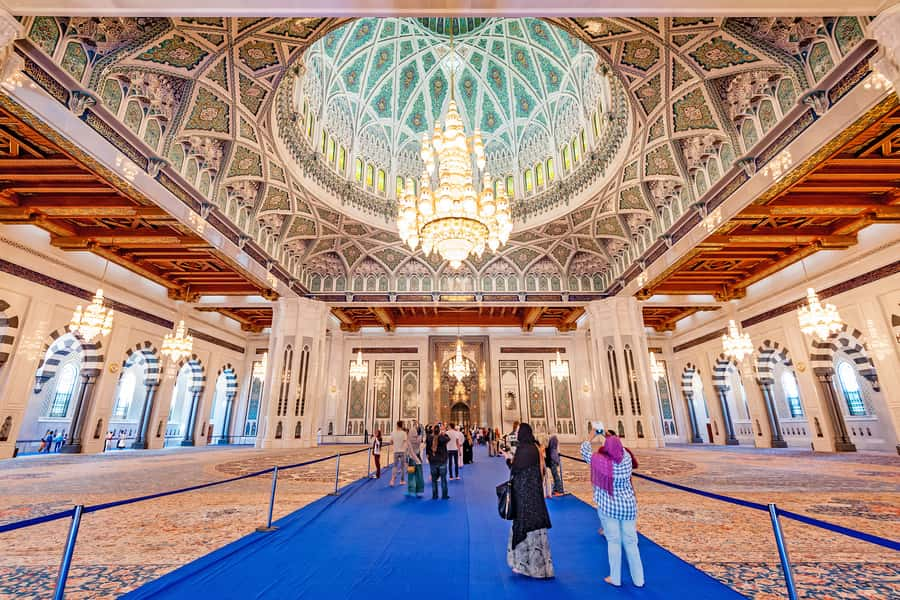
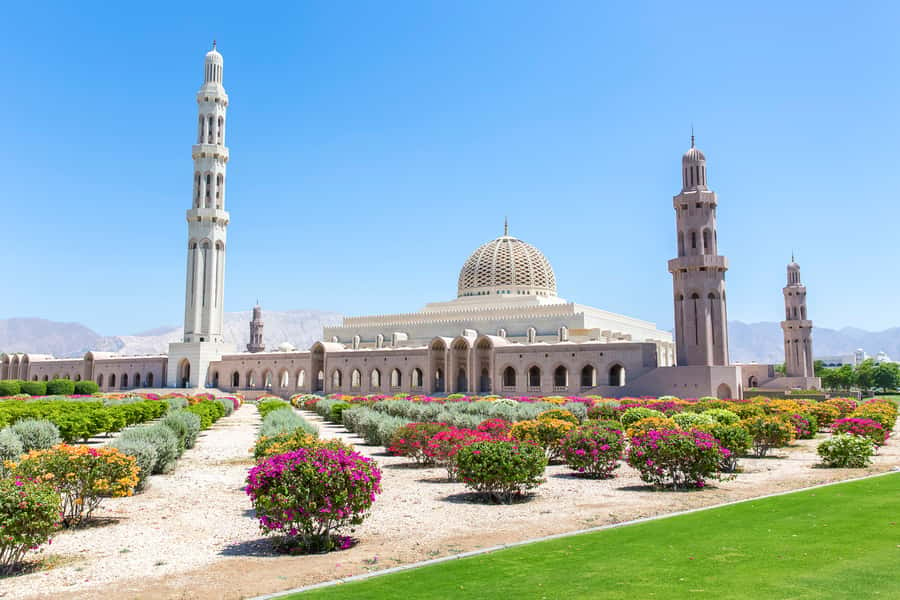
- Sultan Qaboos Grand Mosque is the centerpiece, with sandstone domes, minarets, courtyards, and a visit to the main prayer hall.
- Muttrah gives you several experiences in one stop, including the fish market, corniche, merchant houses, and perfume and clothing stalls.
- The tour is private for up to two people, so the guide can adjust the pace and timing more easily than on a large coach tour.
- Al Jalali, Al-Mirani, and Al Alam Palace are photo stops, not extended interior visits.
- Bait Al Zubair Museum adds cultural context, but photography and videography are prohibited inside.
- Modest dress is essential, and women need a headscarf to enter the mosque.
A smart first look at Muscat in 270 minutes
This tour works best as an introduction to Muscat. In four and a half hours, you move from modern government and embassy areas to religious architecture, an old market, coastal fortifications, and a museum devoted to Oman’s culture.
That range matters. Muscat is not a city you understand from one postcard view. The capital’s identity comes from the contrast between carefully maintained public buildings, the working waterfront, traditional trade, and the rugged forts that guard the old harbor.
Pickup and drop-off are included from your hotel or a selected location in central Muscat. Transport is by air-conditioned vehicle, with bottled water supplied. That is useful in Oman, where short outdoor walks can feel demanding in the heat, especially around the corniche and fort viewpoints.
The tour is conducted in English and is arranged as a private group. Past guides named Abdullah, Abdul, and Sharaf have provided friendly service, with one guide even adjusting the schedule to suit a solo participant. That flexibility is one of the strongest reasons to consider this instead of a large city bus.
More City Tours in Muscat
- Muscat: Budget Friendly City Tour
★ 4.8 · 321 reviews - Half-Day Private Muscat City Tour – Top Landmarks in Just 4 Hours
★ 5.0 · 256 reviews - Oman: Private Muscat City Tour With Pick-up/ Drop-off
★ 4.4 · 234 reviews
Starting at Sultan Qaboos Grand Mosque
The first major stop is Sultan Qaboos Grand Mosque, reached by driving through Muscat’s embassy quarter. The approach gives you a quick look at one of the city’s more formal districts before the mosque opens into view.
The building is presented through its sandstone domes, minarets, courtyards, and main prayer hall. The appeal is not only the scale. The mosque offers a quiet start to the day, a pause from traffic and shopping, and a chance to learn about Islamic worship and Omani religious customs from your guide.
Plan your clothing before pickup, not at the gate. Men and women need long sleeves and long trousers or skirts. Women must also wear a headscarf. If you arrive without suitable clothing, entry may be refused, so this is not a place to rely on an improvised cover-up.
Bring your passport as well. A copy of your current valid passport is required on the day of the tour. That may feel like an awkward extra item for a city outing, but it is part of the entry requirements here.
Comfortable shoes help, although the mosque visit is not described as a long hike. Sunglasses are also useful for outdoor stops, but remember that the interior is a place for quiet observation and respectful dress rather than casual sightseeing.
Muttrah fish market and the corniche
From the mosque, the tour moves toward Muttrah, where Muscat feels more connected to its older trading life. The waterside fish market is a practical stop rather than a polished museum display. You get a glimpse of the port’s working side before walking along the corniche.
The corniche is the scenic link between the market and the old souq. Along the waterfront, look for the elegant merchant houses and the architectural details that make Muttrah feel different from Muscat’s newer districts.
This section is also where the private format can help. You may want to pause for photographs, ask about a building, or spend less time at the market and more time in the souq. With a private guide, the visit does not have to follow the fixed rhythm of a large group.
Still, keep your expectations realistic. The tour is only 270 minutes, and Muttrah contains enough sights to fill much longer. You will get an introduction rather than a slow, unhurried exploration of every lane and shop.
Walking through Muttrah Souq
Muttrah Souq is the most hands-on part of the tour. Its narrow market lanes are lined with perfume shops, clothing stalls, and souvenir displays, giving you a chance to see the commercial side of Omani culture.
This is a good place to browse rather than rush toward a purchase. The market is especially useful if you want small gifts or a simple reminder of Oman, and your guide can help explain what you are seeing. One past guide, Abdullah, was praised for helping with souvenirs and even arranging lunch, though lunch is not included in the tour and should not be assumed.
The old souq can be more rewarding when you pay attention to the setting, not just the merchandise. Notice the traditional shopfronts, the close spacing of the stalls, and the way the market connects to the waterfront. The combination of trade, architecture, and daily life gives Muttrah more character than a stand-alone souvenir stop.
You should also bring patience. Shopping time depends on your interests, and prices may vary from one shop to another. Since the tour does not include lunch or extra drinks, plan to manage your own food and refreshment needs.
More ways to see the Grand Mosque:
- Guided Walking Tour of Sultan Qaboos Grand Mosque in Muscat
★ 4.9 · 12 reviews - Private Half-Day Tour to Grand Mosque-Nakhal Fort and Hotspring
★ 5.0 · 7 reviews - Private Sultan Qaboos Grand Mosque-Nakhal Fort-Wakan Village – Full Day Tour
★ 5.0 · 6 reviews - Muscat: Private Sightseeing Tour & Sultan Grand Mosque
★ 5.0 · 5 reviews
Al Jalali and Al-Mirani, Muscat’s twin forts
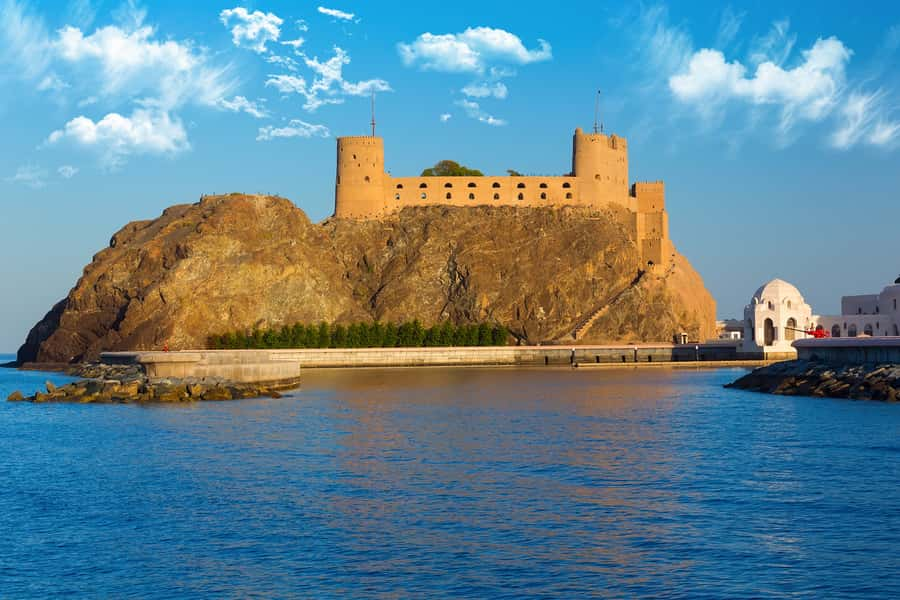
The Portuguese forts of Al Jalali and Al-Mirani provide one of the tour’s strongest photo moments. They sit opposite one another near the old harbor, framing the waterfront with a reminder of Muscat’s strategic past.
The tour includes a photo stop in front of the twin forts. That wording matters: you should expect an exterior view and time for photographs, not a long interior fort visit. If you are hoping to explore fort rooms, displays, or ramparts, this experience may feel brief.
Even from the outside, the forts add a dramatic change of mood after the souq. The market shows commerce and movement; the forts point to defense and control. Your guide can connect the scene to Muscat’s position as an important harbor, while you take in the stone structures against the coastal setting.
The stop is valuable for first-time visitors because it places several Muscat landmarks in one compact area. It is also easy to appreciate without a long explanation: the twin fortifications are visually distinctive and photograph well.
Al Alam Palace and the royal setting
Next comes Al Alam Palace, the official palace of His Majesty Sultan Qaboos. This is another photo stop, so expect to view the palace from outside rather than tour the royal interior.
The palace gives you a look at Oman’s modern ceremonial identity. Its design is markedly different from the older market buildings and defensive forts, making the stop useful as part of the tour’s larger story about old and new Muscat.
You may find this visit quick, but that is not necessarily a flaw. With a limited half-day schedule, an exterior palace view lets you see an important landmark without adding a long formal visit to the day. The tradeoff is simple: you get a photograph and context, not an extended palace experience.
Bait Al Zubair Museum and Omani culture
The final major stop is Bait Al Zubair Museum, where the tour shifts from outdoor sights to Omani culture. This is the place to connect the architecture and market scenes with objects and traditions that help explain the country.
A museum visit can be especially useful after Muttrah. You have already seen shops, merchant houses, and the waterfront. The museum gives those impressions more meaning by placing them within a wider picture of Omani life.
Photography and videography are not allowed inside Bait Al Zubair Museum. Put your camera away and focus on the displays and the guide’s explanation. This restriction is easy to manage, but it is worth knowing before you arrive if you planned to document every stop.
The quality of this part depends partly on the guide. Abdullah and Abdul were praised for explaining Islamic culture and the country’s sights, while one past visitor felt the information about Muscat and Oman was limited. That contrast suggests a practical tip: ask questions as you go. A private tour gives you a better chance to shape the conversation and get the background you want.
How the private price compares with the experience
The price is $389 per group of up to two people. That means the cost is not per person, but it still works out to $194.50 each if two people share it. For a solo visitor, the value is harder to justify unless private transport, flexible timing, and a personal guide are high priorities.
The strongest value comes from the combination of convenience and coverage. You receive hotel pickup and drop-off, an air-conditioned vehicle, an English-speaking guide, bottled water, and visits to several major Muscat sights in one morning or afternoon. You do not need to arrange separate taxis between the mosque, Muttrah, the forts, the palace, and the museum.
The price also buys privacy. One solo participant was surprised to find that the guide and driver operated the tour just for that person and adjusted the schedule accordingly. The same flexibility can make a difference if you are arriving from a cruise and need pickup matched to your arrival time.
On the other hand, this is not a low-cost orientation walk. Lunch, extra drinks, and personal purchases are not included. The forts and palace are only photo stops, and the museum and mosque have entry rules that may restrict how freely you move or photograph.
A large bus tour may cost less, but it will not offer the same control over pacing. A private tour makes the most sense for a couple, a solo visitor who values ease, or anyone with limited time in Muscat.
Practical details that can make or break the day
Wear long sleeves and long trousers or a long skirt from the start. That way, you are prepared for the mosque and selected museum areas without needing to change in the vehicle.
Carry your current passport or a copy of it, as required. Pack sunglasses and comfortable shoes, and keep your bag small. Large luggage is not allowed, and pets and smoking are also not permitted.
The experience is not suitable for wheelchair users. If you have mobility concerns, check carefully before booking because the tour includes walks through the souq, the corniche, and outdoor sightseeing areas.
Tell the provider about any cruise arrival-time changes. Pickup is included, but the schedule needs accurate information to run smoothly. Since the tour lasts 270 minutes, a late start may reduce time at later stops.
Cancellation is free up to 24 hours in advance for a full refund, and you can reserve now and pay later. Those terms help if your Muscat plans are still shifting, though they do not change the need to prepare the required clothing and passport copy.
Who should book this Muscat tour?
I would choose this tour if you want a private introduction to Muscat and prefer seeing the city’s main sights in one organized outing. It is particularly well suited to couples, solo visitors, and cruise passengers who want hotel or selected-location pickup without piecing together separate transport.
It is also a good fit if you enjoy asking questions. Guides such as Abdullah, Abdul, and Sharaf have been described as friendly and helpful, but the amount of historical detail can vary. Your best strategy is to ask directly about the mosque, Islamic customs, the forts, Omani trade, and the palace.
I would hesitate if you want a slow museum visit, extensive fort exploration, or a bargain-priced group excursion. The schedule is tight, the palace and forts are photo stops, and $389 is a premium for a short tour.
Should you book it?
Book this experience if privacy, convenience, and broad coverage matter more to you than the lowest price. In 4.5 hours, you see the Grand Mosque, Muttrah’s waterfront and souq, the Portuguese forts, Al Alam Palace, and Bait Al Zubair Museum, with transport handled for you.
Skip it if you need wheelchair access, dislike formal dress requirements, or want a detailed visit inside every landmark. For everyone else, it offers a practical first day in Muscat, especially when your time is limited and you want both the city’s polished monuments and its everyday market life.
FAQ
How long does the Muscat city tour last?
The tour lasts 270 minutes, or 4.5 hours.
How much does the tour cost?
The price is $389 for a private group of up to two people.
Is hotel pickup included?
Yes. Pickup and drop-off are included from your hotel or a selected location in central Muscat.
What language does the guide speak?
The live tour guide speaks English.
What should I wear for the mosque?
Men and women need long sleeves and long trousers or skirts. Women must also wear a headscarf. Entry may be refused if you do not follow the dress code.
Do I need to bring my passport?
Yes. A copy of your current valid passport is required on the day of travel.
Can I take photographs inside Bait Al Zubair Museum?
No. Photography and videography are prohibited inside the museum.
More Forts & Castles in Muscat
- Nizwa Full Day Tour from Muscat with JABREEN fort
★ 4.0 · 54 reviews - Muscat: Muttrah Fort Entry Ticket
★ 4.5 · 16 reviews - Day Tour to the Enchanting Forts of Nizwa
★ 4.0 · 72 reviews - Full-Day Nizwa Fort, Bahla Fort and Jabreen Castle Private Tour
★ 5.0 · 36 reviews
More Souq Wanders in Muscat
- Muscat: Guided Walking Tour of Corniche, Souq & Mutrah Fort
★ 5.0 · 14 reviews - Nizwa Fort-Nizwa Souq-Misfah Al Arbyeen-Jebel Shams – Private Full Day Tour
★ 5.0 · 220 reviews - Nizwa Fort-Nizwa Souq-Birkat Al Mouz-Jebel Akhdar – Private Full Day Tour
★ 5.0 · 80 reviews - Private Historical Tour – Nizwa Fort – Nizwa Souq – Bahla Fort – Jabreen Castle
★ 5.0 · 73 reviews
Just added around Muscat
- Try scuba Diving Tours To Daymaniyat Islands.★ 5.0 · 12 reviews
- Private Muscat City Sightseeing Tour – A Fascinating Capital★ 4.5 · 12 reviews
- Muscat by Night with Local Dinner from Muscat★ 3.5 · 6 reviews
- Muscat Private Departure Airport Transfer★ 5.0 · 4 reviews
- Muscat Private Arrival Airport Transfer★ 4.0 · 7 reviews
- Muscat Shore Excursion: Private City Highlights Tour★ 4.5 · 15 reviews
- Muscat : Luxury car with private driver★ 5.0 · 18 reviews
- 5 Hours Private Tour in Muscat City★ 5.0 · 3 reviews
Grand Mosque Tours, compared.
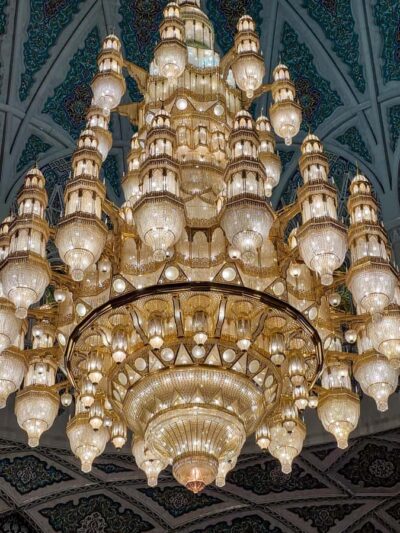
Guided Walking Tour of Sultan Qaboos Grand Mosque in Muscat
Read our review →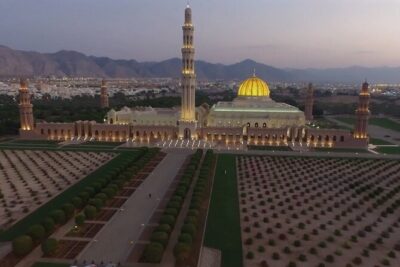
Private Half-Day Tour to Grand Mosque-Nakhal Fort and Hotspring
Read our review →
Private Sultan Qaboos Grand Mosque-Nakhal Fort-Wakan Village – Full Day Tour
Read our review →
Browse the lists this tour appears in