
Reviewed · CITY TOURS
muscat city tour with pick up SMALL GROUP 7 PEOPLE MAX
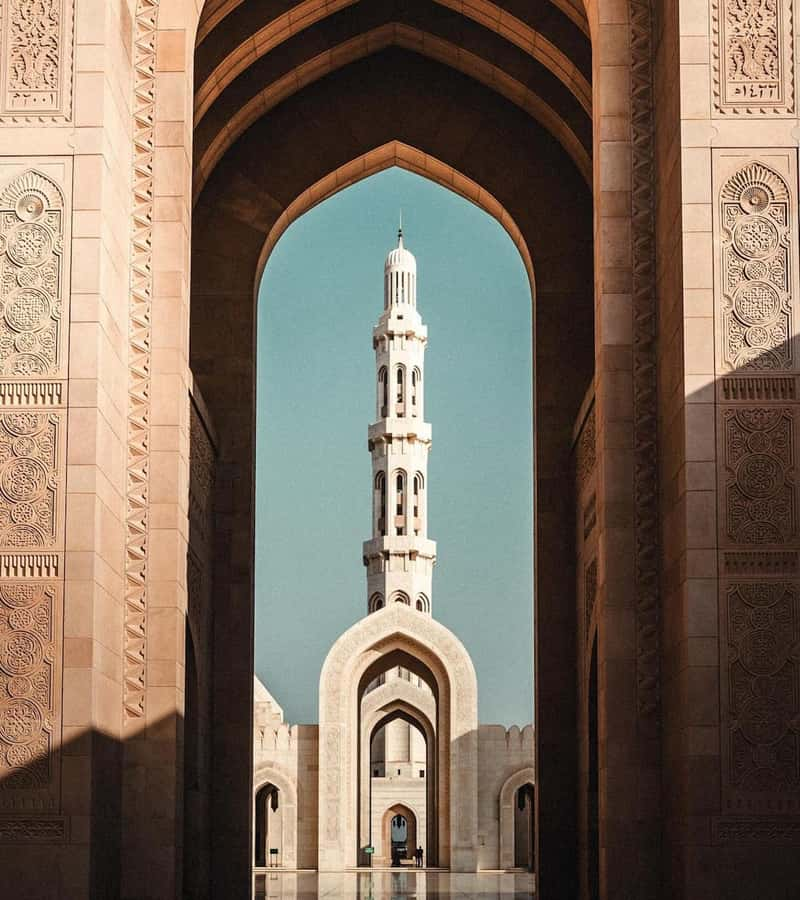
Muscat’s best introduction may be its Sultan Qaboos Grand Mosque, where a vast Persian carpet and enormous chandelier give the tour an immediate sense of scale. I like that this half-day outing combines grand architecture with ordinary Muscat life at Muttrah Souk, instead of keeping you in a car for a string of photo stops.
I also like the small group limit of seven, which gives your guide room to answer questions and wait while you take photos. Guides including Hawwa, Yusuf, Abdoul, Salam, and Mohammed have been singled out for their patience and clear explanations. The main catch is time: five major stops in four hours makes this a useful orientation, not a slow, museum-by-museum study.
Key points at a glance
- The Grand Mosque anchors the tour: See its Indian sandstone, enormous prayer hall, Persian carpet, and giant chandelier.
- Seven people maximum: A small shared group is easier to manage than a full coach.
- Muttrah Souk adds local color: Shop for frankincense, perfumes, jewelry, clothing, and souvenirs, with time to bargain.
- Two entrance fees are extra: The Royal Opera House and Bait Al Zubair Museum each cost R.O. 3.000 for an adult.
- Friday follows a different route: The mosque and opera house close, so the tour substitutes Muttrah Fort and Qantab viewpoint.
- The focus is orientation: You get a broad look at Muscat’s culture, royal quarter, arts scene, and market in four hours.
What this four-hour Muscat tour really gives you

This is a compact city introduction, built around five recognizable Muscat sights. You are collected from your hotel in Muscat, ride in shared transportation, and return to the city after visiting the Grand Mosque, Royal Opera House, Bait Al Zubair Museum, Al Alam Palace, and Muttrah Souk.
The order can matter less than the range. In one morning or afternoon, you move from Islamic architecture to contemporary performance arts, then to a private museum, a royal palace frontage, and a traditional market. That variety helps you understand Muscat quickly.
The small group is one of the strongest practical features. With seven people or fewer, your guide can explain details without speaking to a crowd, and you have a better chance of getting help with photographs or questions. The experience is still shared, so it is not the same as a fully private tour, but it should feel more personal than a large bus outing.
The guides who have led this tour include Hawwa, Yusuf, Abdoul, Salam, and Mohammed. Hawwa receives especially strong praise for her patience, historical explanations, and friendly manner. That matters here because the tour moves quickly, and a guide who explains clearly can turn a series of buildings into a connected picture of Omani culture.
More City Tours in Muscat
- Muscat: Budget Friendly City Tour
★ 4.8 · 321 reviews - Half-Day Private Muscat City Tour – Top Landmarks in Just 4 Hours
★ 5.0 · 256 reviews - Oman: Private Muscat City Tour With Pick-up/ Drop-off
★ 4.4 · 234 reviews
Sultan Qaboos Grand Mosque and its remarkable interior
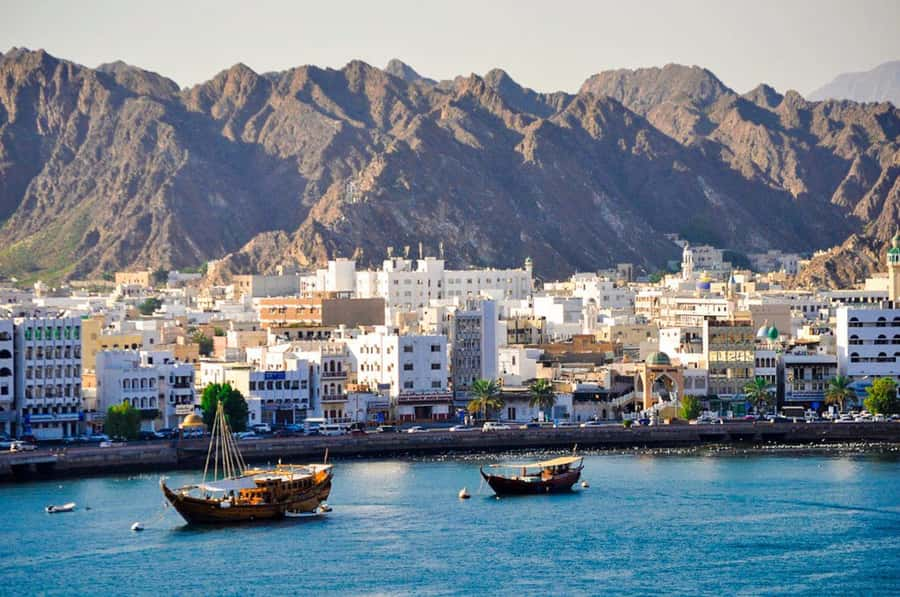
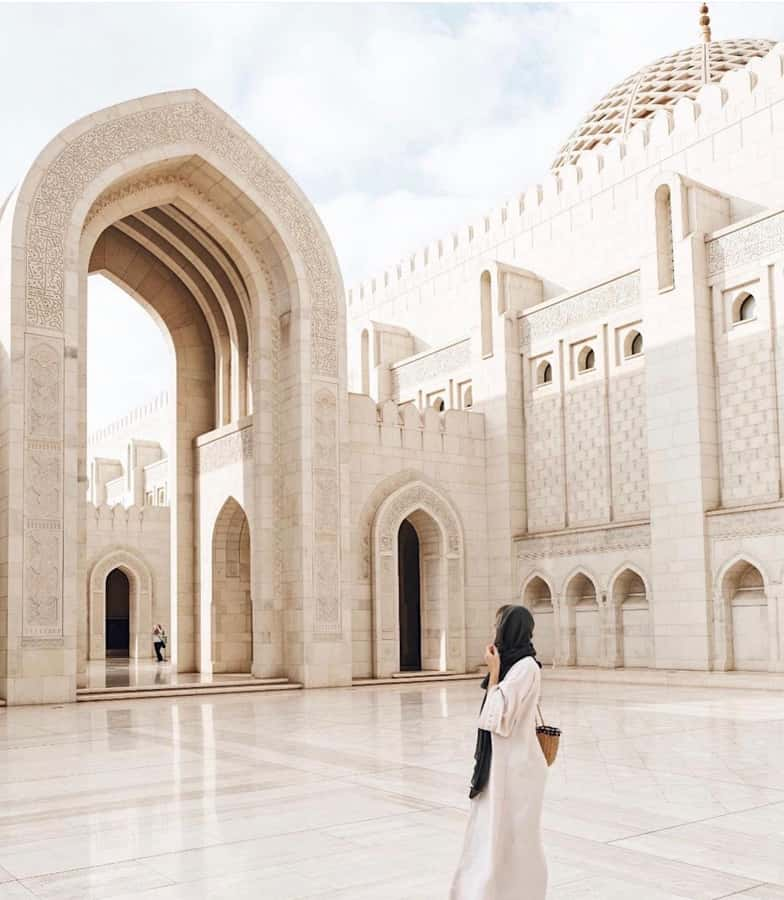
The Grand Mosque is the emotional high point for many people, and it is easy to see why. Completed in 2001, it uses about 300,000 tons of Indian sandstone and can accommodate up to 20,000 worshippers. The scale is impressive before you even begin looking at the fine details.
Inside, the main prayer hall is known for its huge chandelier, described as the world’s largest. The hall also contains a hand-loomed Persian carpet that is considered the world’s second-largest of its kind. It took 600 women four years to weave, a detail that gives you a sense of the labor behind what might otherwise look like a single decorative object.
I would give this stop your full attention rather than treating it as a quick photograph. Look upward, take in the proportions, and listen to the guide’s explanation of the design. The mosque is not only a famous building. It is also a place where you can learn about Islamic traditions and Oman’s modern national identity.
Dress and conduct matter at a mosque, so arrive prepared to behave respectfully. The supplied information does not set out a full dress code, so confirm current visitor requirements before you go. Also note the important Friday change: the mosque is closed that day, and the tour replaces it with Muttrah Fort and Qantab viewpoint.
Royal Opera House Muscat brings a different side of Oman
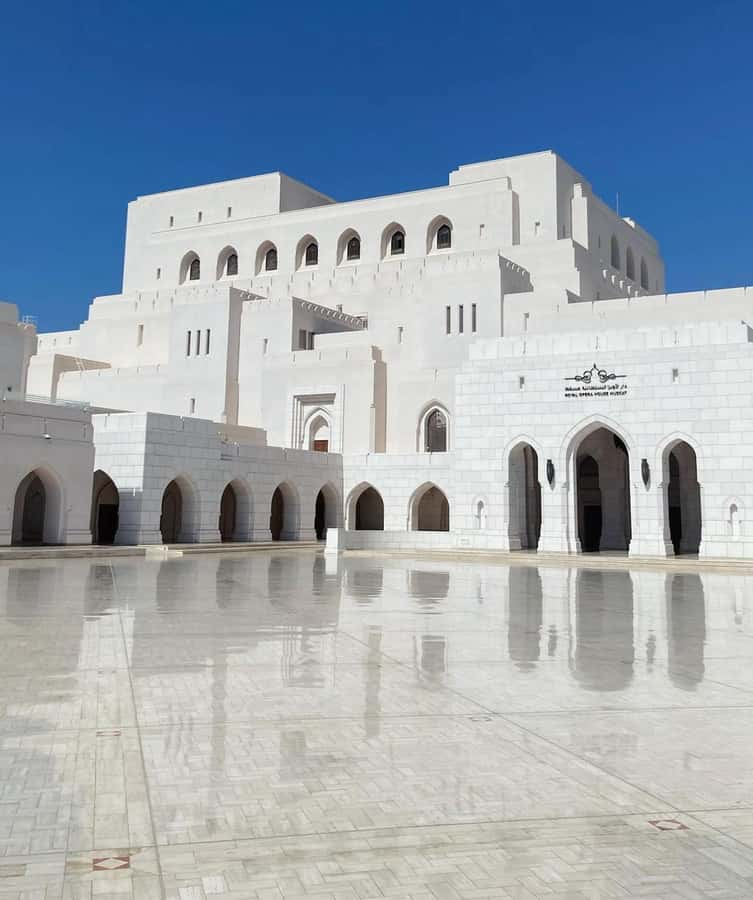
The Royal Opera House gives the tour a sharp change of mood. It opened in 2011 on the orders of Sultan Qaboos, who had a strong interest in classical music and the arts. Its design combines contemporary Omani style with elaborate interiors.
The main hall and theater hold up to 1,100 people. The building is open to the public daily according to the activity information, though Friday is specifically listed as a closure day for this tour. You may visit the building and learn about its role in Muscat’s cultural life, but do not confuse this with an evening performance ticket.
An adult entrance ticket costs R.O. 3.000 and is not included. At $100 per person, you should add that amount if you want the paid interior visit. If your main interest is architecture, the extra cost may be worthwhile. If you are mainly looking for a quick city overview, you may prefer to focus on the exterior and save your time for the souk or museum.
The Opera House also gives you a useful counterpoint to the mosque. The first shows religious architecture on a grand scale; the second points to Oman’s interest in music, theater, and modern public culture. That contrast is one of the tour’s better choices.
Bait Al Zubair Museum explains daily Omani culture
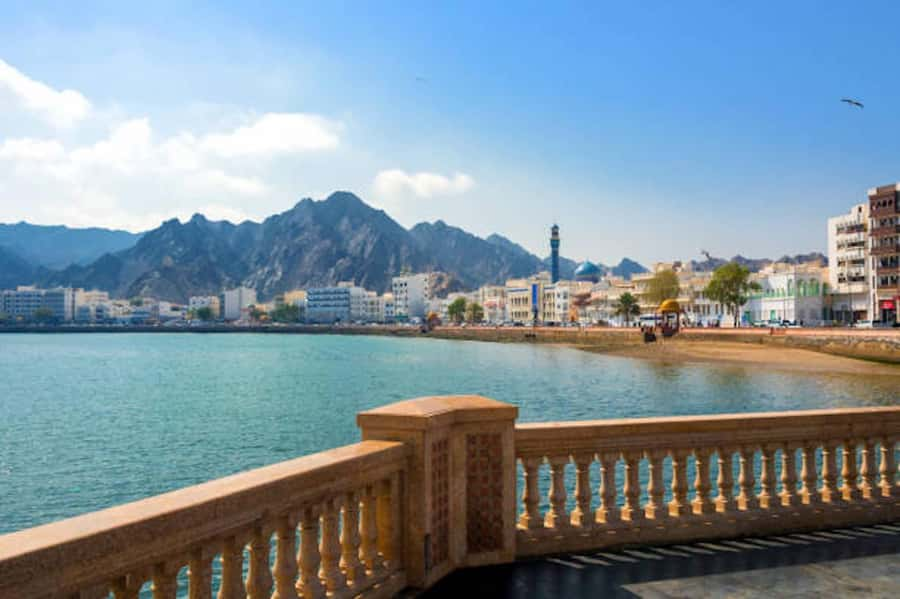
Bait Al Zubair Museum opened in 1998 and focuses on Oman’s culture and traditions. It is a more intimate stop than the Grand Mosque, with exhibits that help put the country’s buildings and customs into human terms.
The collection includes traditional weapons such as the khanjar dagger, clothing, dhow models, furniture, and paintings. These objects give you something specific to look at while your guide explains how Omani identity appears in clothing, craftsmanship, transport, and domestic life.
An adult ticket costs R.O. 3.000, also not included. The fee is modest, but remember that the two paid stops add R.O. 6.000 per adult before you count the tour price. Four hours is not enough for a long museum visit, so you may need to move at a steady pace.
I like the museum’s place in the route because it keeps the tour from becoming only a parade of impressive buildings. You see objects made for use, not just monuments made to be admired. If you prefer museums and cultural detail to shopping, this may be one of the most useful stops.
More shared departures from Muscat:
- Daymaniyat Islands Snorkeling Sharing Trip
★ 5.0 · 369 reviews - Snorkeling trips to Daymaniat Islands Sharing Trip
★ 5.0 · 119 reviews - Bandar Al Khayran Jorney: Group Tour with Snorkeling
★ 3.8 · 5 reviews - Muscat: Wahiba Desert and Wadi Bani Khalid Guided Group Tour
★ 4.8 · 820 reviews
Al Alam Palace is a short royal-quarter photo stop
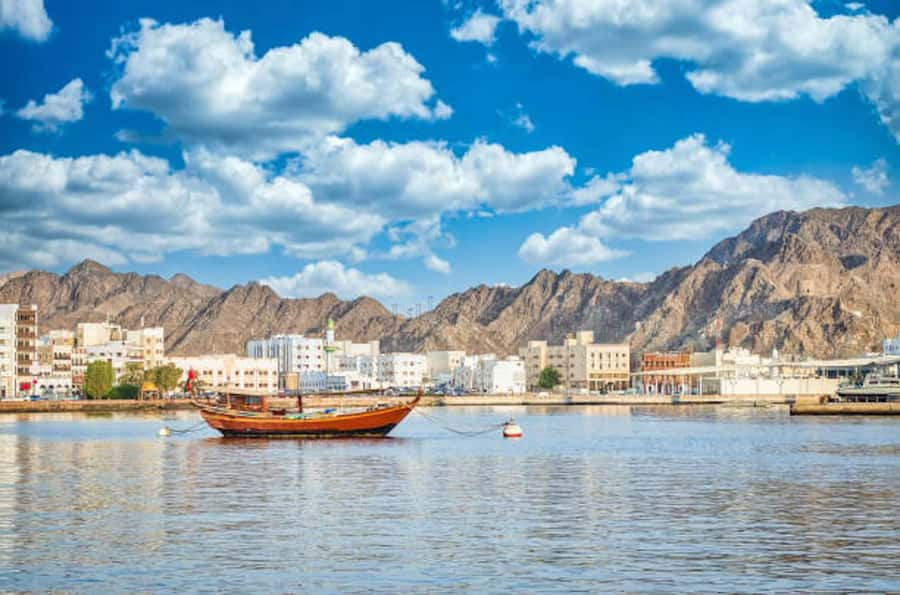
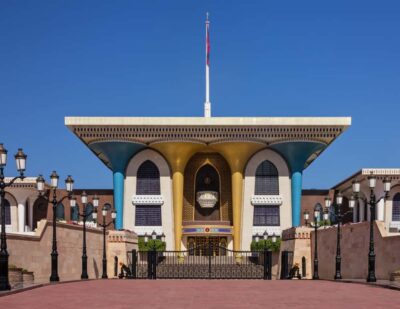
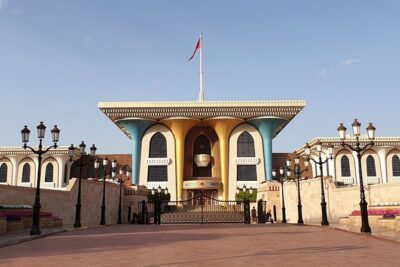
Al Alam Palace is the Sultan’s ceremonial palace in Muscat’s old royal quarter. Its blue and gold facade is easy to recognize, and its story reaches back more than 200 years. It was built by Sultan Ahmed and remains one of the ruler’s six royal residences.
You cannot enter the palace. The stop is made near the gates, giving you time for photographs and a view of the exterior. This is important when setting expectations: Al Alam is not a palace tour, and you will not see private rooms or interior decoration.
Still, the stop works well in a city tour. The bright colors make for memorable photographs, and the palace helps you understand the ceremonial character of Muscat’s waterfront area. Your guide can add context about the building and its role, while you take in the setting at a relaxed pace.
Because the stop is exterior only, it should not be the main reason you book. Think of it as a useful piece of the larger route, especially when paired with Muttrah and the museum.
Muttrah Souk is where the tour feels most everyday
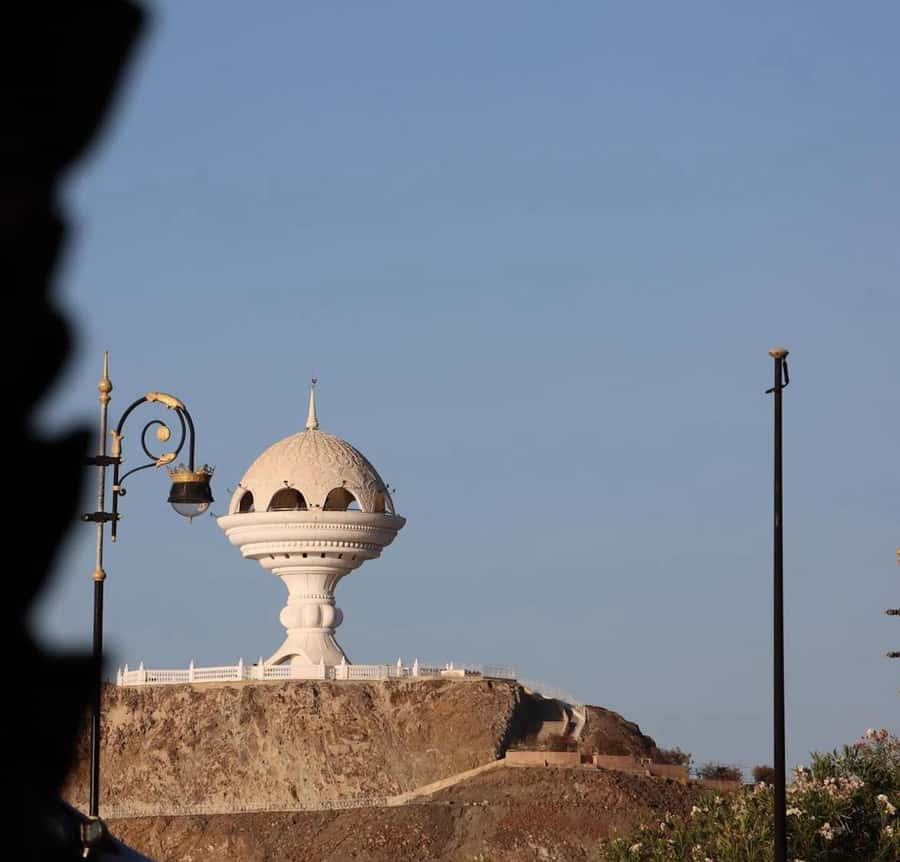
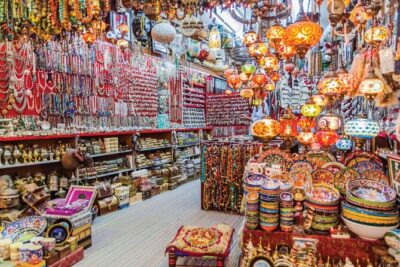
Muttrah Souk is the stop where you can slow down and interact with Muscat rather than simply look at it. This traditional Arab bazaar sells frankincense, perfumes, jewelry, clothing, and souvenirs. The narrow market setting gives you a chance to browse at your own speed, although the overall tour schedule remains limited.
Haggling is part of the experience. Keep it friendly, take your time, and do not feel obliged to buy the first item you see. Frankincense and perfume make sense as Oman souvenirs, while jewelry and clothing require more care if you want to compare quality and price.
I would save a little spending money for this stop, even if you do not plan to shop. The market helps bring together themes introduced earlier in the day: scent, craft, dress, and trade. It also gives you a break from formal sights and a chance to ask your guide which products have a real connection to Oman.
The schedule may not allow you to explore every lane. That is the trade-off for fitting five major places into four hours. If Muttrah is your main interest, you may want to return independently later for a longer wander.
Friday changes the tour in an important way
Friday is not a normal version of this excursion. The Sultan Qaboos Grand Mosque and Royal Opera House are closed, so the route replaces them with Muttrah Fort and Qantab viewpoint.
That alternative can still give you worthwhile views and a different side of Muscat, but it is not an equal substitute if the mosque is your main goal. Check the day of the week before booking, especially if you have only one day in the city.
This Friday adjustment is clearly stated, which is helpful. You can make an informed choice rather than arriving and discovering that two headline stops are unavailable. If you book for another day, the listed five-stop route is the better fit for first-time sightseeing.
Is $100 a fair price for four hours?

The cost is $100 per person. That is not a bargain-priced walk, but the price includes hotel pickup in Muscat, transportation, a driver-guide, and a shared group capped at seven people.
The value depends on what you want from the day. For someone with limited time, the tour saves the work of arranging transport between widely spaced sights and gives you an English or Arabic-speaking guide. That is especially useful at the mosque, museum, and palace, where context adds much more than a quick photograph.
The price does not include the R.O. 3.000 adult ticket for the Royal Opera House or the R.O. 3.000 adult ticket for Bait Al Zubair Museum. Sunblock is also not included, so bring your own. Once you add both attraction fees, the total is higher than the advertised tour price.
I would call it reasonable for a first look at Muscat, particularly if you value a small group and hotel pickup. It is less attractive if you already have a car, want to linger at each stop, or plan to spend most of your day inside museums. The tour is paying for convenience, a guide, and a carefully selected route rather than long visits at one or two places.
Timing, transport, and guide style
Four hours is enough for an overview, but not enough for leisurely exploration at every stop. Expect the day to feel organized and fairly brisk, especially if everyone wants photographs at the mosque and palace.
The vehicle is shared, with no more than seven people. One passenger described the vehicle as comfortable, and that matters in Muscat’s heat, though the exact vehicle type is not specified. Pickup and return are within Muscat, and the driver also acts as your guide.
The most useful guide quality here is patience. Several guides are praised for taking time to explain history and culture, waiting while people take photographs, and helping with questions. One guide, Hawwa, was specifically noted for accommodating a stretched schedule. You should still respect the four-hour framework, but a good guide can make the route feel less rushed.
English and Arabic are the available tour languages. If your English is limited, ask about language arrangements before booking. The activity does not list other language options.
Free cancellation is available up to 24 hours before the start for a full refund, and you can reserve now and pay later. Those terms are useful if your Muscat plans may shift, but the practical details of pickup time depend on availability when you check.
Who should book this Muscat city tour?
I would choose this tour if you are in Muscat for a short stay, arriving by cruise or passing through the city, and want a clear first orientation. It suits first-time visitors who want major landmarks without arranging several taxis or a private car.
It is also a good match for solo visitors and couples who prefer a small shared group rather than paying for a private tour. The guide-led format gives you history and cultural background at the same time as the sightseeing.
Families may appreciate the simple hotel pickup and limited duration, though the schedule includes several formal cultural stops. Shoppers should see Muttrah as a taste rather than a complete market visit. Museum lovers should know that Bait Al Zubair may feel brief.
I would not choose it for a slow architectural study, an all-day shopping outing, or a private itinerary with complete control over every stop. The route is fixed enough to cover the city’s highlights, and that means some places receive only a short visit.
Should you book it?
Book this tour if you want Muscat’s main sights explained in one efficient half-day, especially if the Grand Mosque and Muttrah Souk are high on your list. The seven-person limit, hotel pickup, and consistently warm guide feedback make it a practical choice for a first visit.
Before paying, check the day. Avoid Friday if seeing the mosque and opera house is essential, since both are replaced by Muttrah Fort and Qantab viewpoint. Also budget for the two R.O. 3.000 entrance fees if you want to enter both paid attractions.
For $100, you are buying convenience and a broad introduction rather than lingering time. If that is what you need, Octopus Oman’s Muscat city tour is a sensible way to get your bearings fast.
FAQ
How long is the Muscat city tour?
The tour lasts four hours, including pickup in Muscat and return to Muscat.
How many people can join the shared tour?
The small-group tour accepts a maximum of seven people.
What sights are included on the regular route?
The route includes Sultan Qaboos Grand Mosque, Royal Opera House Muscat, Bait Al Zubair Museum, Al Alam Palace, and Muttrah Souk.
Is hotel pickup included?
Yes. Pickup from a hotel in Muscat and transportation during the tour are included.
Are attraction entrance fees included?
No. The adult entrance ticket for the Royal Opera House is R.O. 3.000, and the adult ticket for Bait Al Zubair Museum is also R.O. 3.000.
What happens if I take the tour on Friday?
The mosque and opera house are closed on Friday. The tour visits Muttrah Fort and Qantab viewpoint instead.
What languages does the guide speak?
The tour is offered with a live guide in Arabic or English.
Is the tour private?
No. It is a shared tour, although the group is limited to seven people.
Can I cancel the booking?
You can cancel up to 24 hours in advance for a full refund. The tour also offers a reserve-now, pay-later option.
Just added around Muscat
- Try scuba Diving Tours To Daymaniyat Islands.★ 5.0 · 12 reviews
- Private Muscat City Sightseeing Tour – A Fascinating Capital★ 4.5 · 12 reviews
- Muscat by Night with Local Dinner from Muscat★ 3.5 · 6 reviews
- Muscat Private Departure Airport Transfer★ 5.0 · 4 reviews
- Muscat Private Arrival Airport Transfer★ 4.0 · 7 reviews
- Muscat Shore Excursion: Private City Highlights Tour★ 4.5 · 15 reviews
- Muscat : Luxury car with private driver★ 5.0 · 18 reviews
- 5 Hours Private Tour in Muscat City★ 5.0 · 3 reviews
City Tours, compared.
Half-Day Private Muscat City Tour – Top Landmarks in Just 4 Hours
Read our review →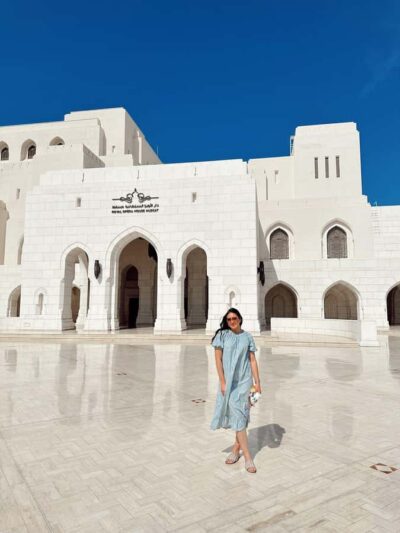
Half-Day Private Muscat City Tour- with a local guide
Read our review →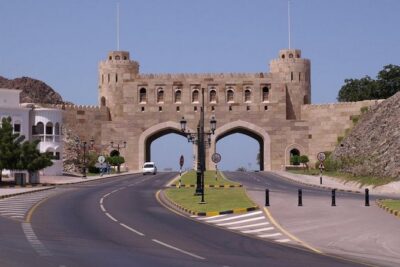
Browse the lists this tour appears in